


.svg)


June 2, 2026
UN Packaging Codes, Requirements & Testing Standards: A Complete Guide
If your facility packages or ships hazardous materials, meeting UN packaging specifications isn't optional; it's a legal requirement under U.S. DOT..
Agricultural chemical packaging plays a direct role in product quality, safety, and regulatory compliance. Fertilizers, pesticides, and other agrochemicals, often dry flowable materials, must move through complex supply chains. Poor packaging decisions can lead to moisture damage, contamination, handling failures, and customer claims. Southern Packaging works with agricultural manufacturers across the U.S. to supply reliable, consistent industrial packaging that supports safe handling and dependable production.
Agricultural chemical packaging refers to the industrial packaging used to store, handle, and transport fertilizers, pesticides, herbicides, and other agrochemicals.
These dry, flowable materials require specialized packaging because they may be corrosive, dusty, hygroscopic, or closely regulated. Agricultural packaging must protect the product while also supporting safe handling at the plant, warehouse, and customer site.
Common packaging formats include FIBC bulk bags and multi-wall paper bags, sometimes used with inner liners or films. Each format serves a different purpose based on volume, handling method, and regulatory requirements.
Moisture-related issues, handling incidents, and supply disruptions are common challenges in agricultural chemical packaging. When packaging performance falls short, manufacturers may face product caking, loss of flowability, safety incidents during handling, and unplanned downtime. These problems often surface after filling, during storage or transportation, and can lead to repackaging, product disposal, and customer claims. Reliable packaging matched to the material and handling conditions helps limit these downstream costs and operational disruptions.
Selecting the right agricultural chemical packaging starts with understanding the core performance requirements that protect product quality, support safe handling, and meet regulatory and customer expectations.
Moisture and humidity control: Hygroscopic products need a moisture barrier to preserve product quality during storage and transit. Bag coatings and liners are commonly used to manage humidity exposure.
Protection from contamination and cross-contact: For regulatory compliance and customer safety, agricultural chemical bags must prevent contamination from dust, debris, or residues from previous products. Clean manufacturing practices—such as controlled production environments, material segregation, and documented quality procedures—along with dedicated liners and proper closures, reduce the risk of cross-contact.
Strength, durability, and stacking performance: Bulk packaging for agricultural chemicals must withstand filling, lifting, stacking, and maintain their shape and integrity under load to prevent failures during warehouse staging or shipment.
Compatibility with automated filling and handling systems: Many plants rely on automated or semi-automated filling lines. Packaging must be consistent in size, construction, and discharge design to keep operations running efficiently. Poor fit or inconsistent specs can slow production or cause equipment issues.
Regulatory and customer-driven packaging expectations: Some agricultural chemicals are regulated as hazardous materials. Others are not regulated but still require documented packaging standards. Customers may also impose their own packaging requirements related to labeling, traceability, or pallet configuration.
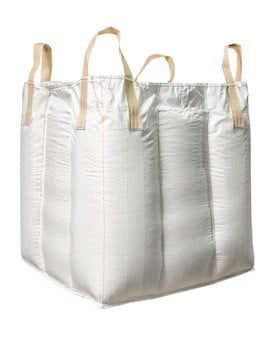
FIBC bags, also called bulk bags, are widely used for large-volume fertilizers and soil amendments and can hold thousands of pounds of product.
Uncoated bulk bags allow airflow and are suitable for products that are not moisture sensitive. Coated bags provide additional moisture protection. Discharge options include spouts, full bottom discharge, or flat bottoms, depending on how the material is unloaded.
Lifting designs vary based on handling equipment. Choosing the right loop style and bag construction reduces handling risk and improves safety.
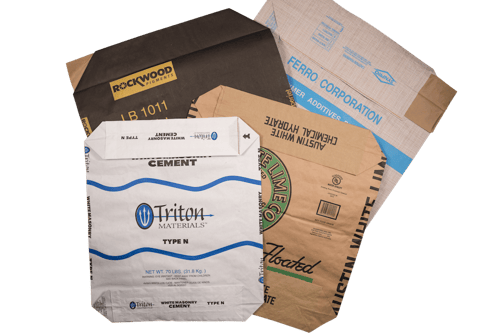
Multi-wall paper bags are commonly used for smaller pack sizes of fertilizers and agricultural chemicals. They are often used when products are sold in retail or smaller wholesale quantities.
Valve bags support high-speed automated filling and are sealed during the fill process. Open-mouth bags are filled and then sewn or sealed. Paper bags may include poly liners when additional moisture protection is required.
Paper bags work well for certain applications but are not always suitable for long-term storage or high-moisture environments. Southern Packaging supplies a range of paper bag options to match specific use cases.
Poly liners and films are used inside FIBCs and paper bags to add moisture barriers and improve contamination prevention.
.png?width=216&height=242&name=FIBC%20Liner-png%20(1).png)
Form-fit liners match the shape of the outer bag and reduce material movement. Loose liners are more flexible and easier to install. The choice depends on product flow characteristics and filling method.
Industrial-grade liners are common for agricultural chemicals, while food-grade liners may be required for certain applications.
Some agricultural chemicals are classified as hazardous materials and must meet specific packaging requirements. Others are non-hazardous but still require durable, well-documented packaging.
UN-certified packaging is required when products fall under hazardous material regulations. This certification confirms that the packaging has been tested for strength and performance. FIBC bags with UN certification are commonly used for regulated materials.
Proper bag construction, liners, and closures help reduce risk even for non-regulated materials. Documentation and traceability also support audits, customer reviews, and regulatory inspections.
Storage and transportation conditions play a major role in preserving product quality and preventing packaging failures once agricultural chemicals leave the production line.
Warehouse storage best practices: Agricultural chemical bags should be stored in clean, dry, well-ventilated facilities with controlled humidity. Floors and racking must support the load, stacking limits should be followed, and products should be kept off the ground.
UV exposure and environmental factors: Extended UV exposure can weaken certain packaging materials. Bulk bags stored outdoors or near open doors may require UV-stabilized fabric or protective covers.
Palletization, slip sheets, and load stability: Proper palletization improves load stability and reduces damage during transit. Slip sheets, stretch wrap, and pallet covers may be used depending on shipping method and destination.
Long-term inventory staging and shelf-life protection: Some agricultural chemicals are staged in inventory for extended periods. Packaging must support long-term storage stability.
Selecting the right packaging partner is critical to maintaining production efficiency, controlling risk, and ensuring a consistent supply for agricultural chemical operations.
Inventory reliability and lead times: Select a partner that maintains sufficient inventory to support your production schedules. This reduces the risk of downtime.
Domestic warehousing advantages: A partner with U.S.-based warehousing supports faster delivery and more predictable supply. It also simplifies communication and logistics.
Transparent pricing and contract flexibility: A partner that offers clear pricing and flexible supply agreements helps your procurement teams manage budgets and forecasts.
Industry knowledge and customization support: A partner who has experience with agricultural chemical packaging can help you select the packaging with the right materials, designs, and specifications to suit your needs.
Southern Packaging supports agricultural manufacturers with bulk inventory stored in Texas for quick delivery. We source packaging globally while maintaining consistent specifications. Our team works with fertilizer and agrochemical manufacturers that require dependable industrial packaging.
We offer flexible, month-to-month supply relationships, inventory management services, and practical support for complex operations. Our focus is on keeping production lines moving and reducing packaging-related risk.
Request a quote or consultation today.

