


.svg)


Foil Lined Bulk Bags
Standard polyethylene-lined bulk bags work well for many dry, flowable materials — but they aren't designed to completely block moisture vapor, oxygen, or UV light. When those gaps lead to caked product, shortened shelf life, or rejected loads, the cost extends well beyond the bag. Foil-lined bulk bags are the high-barrier alternative when a standard PE-lined bag can't adequately protect the material.

What Are Foil-Lined Bulk Bags?
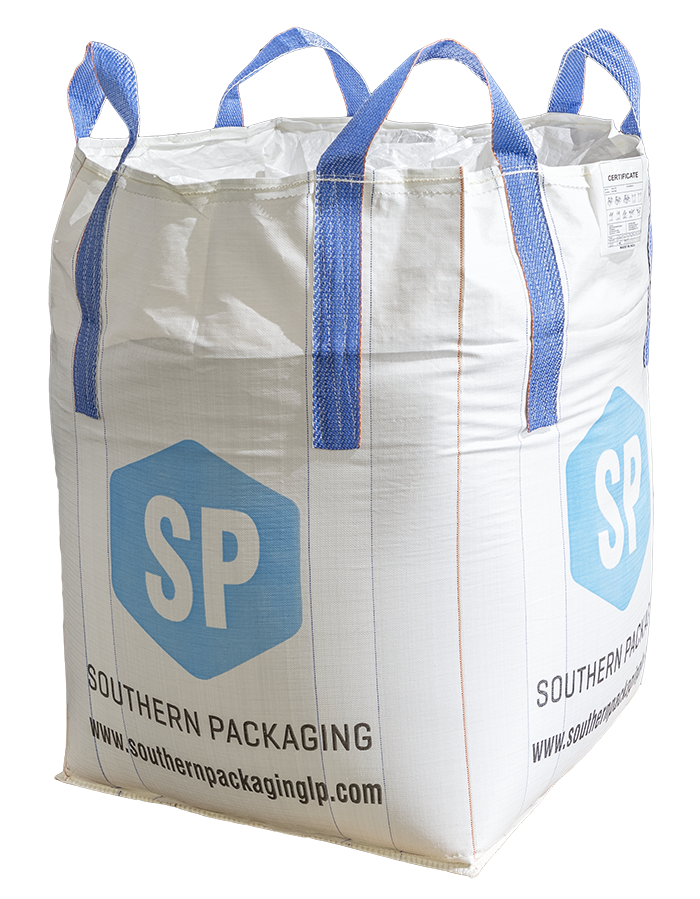
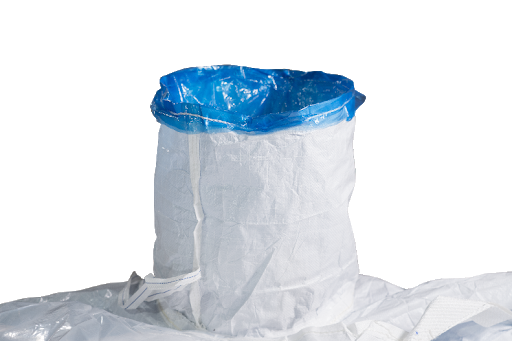
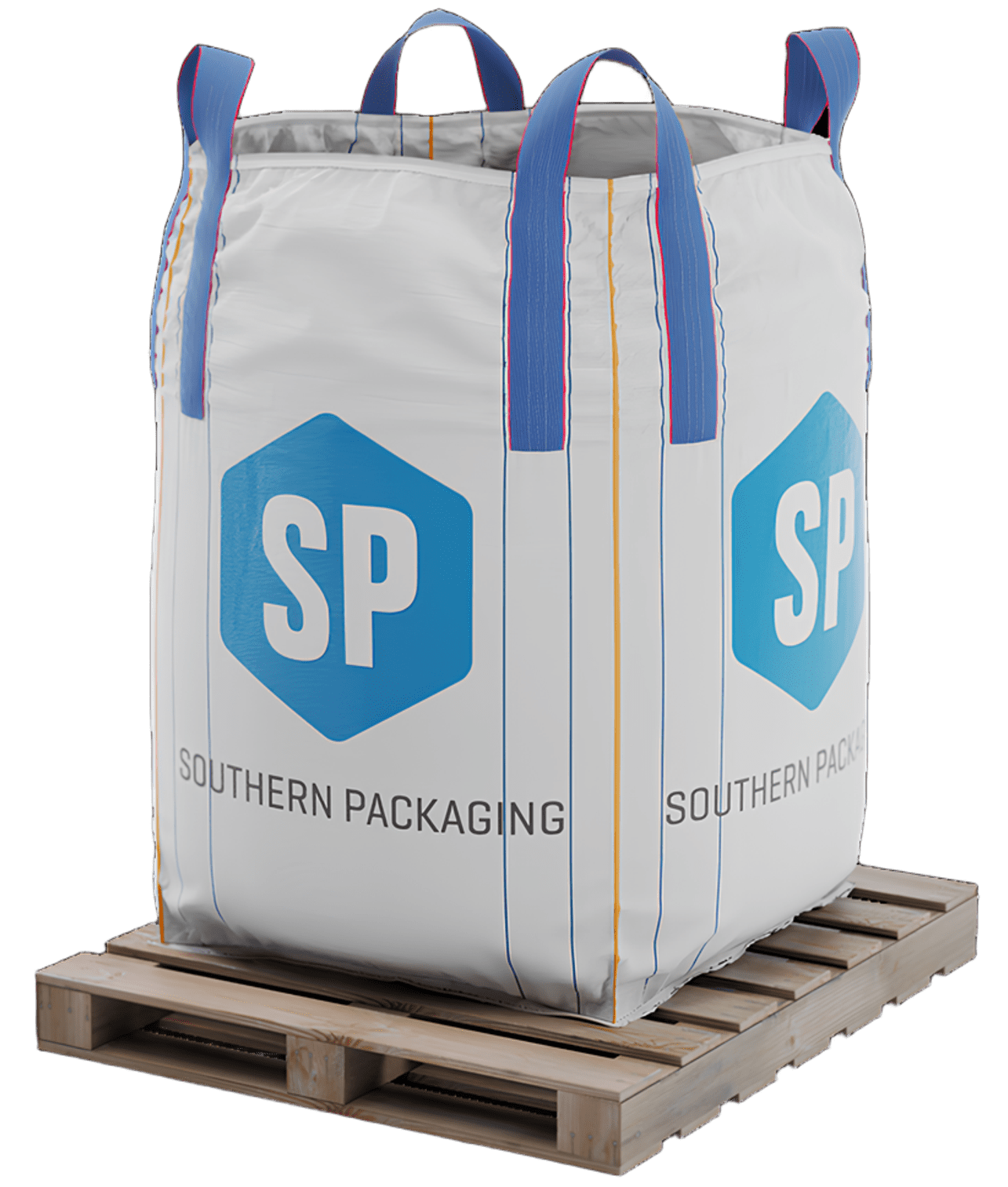
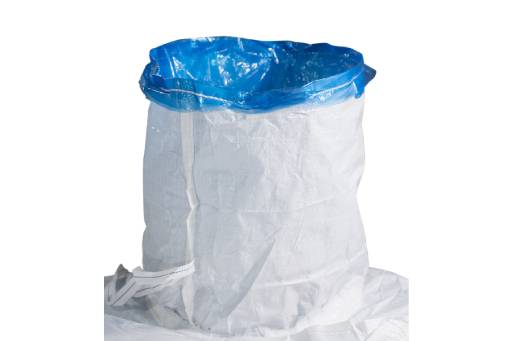
Foil-lined bulk bags (also called foil-lined bags) are woven polypropylene FIBCs fitted with a PE/aluminum/PE laminate liner that completely blocks moisture, oxygen, UV light, odors, and external contaminants. The liner is bonded or form-fitted inside the outer bag as an integrated product — not a loose insert.
These bags are also called barrier foil FIBCs, aluminum-lined bags, or aluminum-lined bulk bags. The foil FIBC liner is what differentiates this product from a standard PE-lined bulk bag — it's a structural barrier layer, not simply a film insert. For buyers evaluating standalone liner options across bag formats, Southern Packaging's liners and films page covers the full range of liner types. This page covers the complete foil-lined FIBC as a finished product solution.
What Foil-Lined Bulk Bags Protect Against
- Moisture and water vapor — As a moisture-barrier FIBC, the PE/foil/PE laminate achieves near-zero moisture vapor transmission (MVTR), keeping hygroscopic powders and granules dry and free flowing.
- Oxygen ingress — Foil provides a high oxygen barrier (OTR), protecting materials that oxidize, go stale, or lose potency when exposed to air.
- UV and light degradation — The opaque aluminum layer blocks light entirely, which matters for light-sensitive ingredients and pigments.
- Odor and aroma migration — The foil barrier prevents volatile flavor compounds from escaping and stops off-odors from entering.
- External contaminants and particulates — The sealed liner creates a contained environment that reduces the risk of contamination during storage and transit.
- Temperature fluctuation effects — Foil laminate moderates the impact of temperature swings on moisture-sensitive materials, particularly across climate zones.
Industries and Applications
Food Ingredients & Flavors
Foil-lined bags for food ingredient applications — dairy powders, spices, coffee, cocoa, and nutritional blends — provide the moisture and aroma protection these products need to maintain quality from production through delivery. Foil-lined food bags are particularly well-suited for hygroscopic ingredients that would cake or lose potency in a standard PE-lined bag. See Southern Packaging's food packaging solutions for more on bulk packaging for food ingredient manufacturers.
Pharmaceutical & Nutraceutical
Active pharmaceutical ingredients (APIs), excipients, and supplement blends require strict moisture and contamination controls in bulk transfer and storage. Southern Packaging supplies food-grade bulk bags suitable for pharmaceutical and nutraceutical applications.
Chemical & Specialty Materials
Hygroscopic chemicals, reactive resins, pigments, and specialty compounds often must remain moisture- or oxygen-free to remain on spec. Learn more about bulk bags for chemical packaging.
Plastics & Polymers
Resin pellets and polymer powders that absorb moisture before processing can produce surface defects or degraded mechanical properties in the finished product. See Southern Packaging's overview of FIBC bags for the resin industry.
Available Configurations
- Liner construction — PE/aluminum/PE laminate
- Bag sizes and capacity — Standard bulk bag dimensions and safe working load (SWL)
- Fill and discharge options — Open top, spout top, full bottom discharge, and duffle top
- Body style — Baffle (form-stable) and tubular options
- Certifications — Food-grade and pharmaceutical-grade certifications, including FSSC 22000, AIB, and ISO 9001
- Printing — Custom printing options
The Flexible Intermediate Bulk Container Association (FIBCA) publishes technical standards for FIBC design, testing, and safe working loads — a useful reference for procurement teams specifying bulk bag requirements.
.png)
Why Source Foil-Lined Bulk Bags From Southern Packaging?
When evaluating foil-lined bag suppliers, lead time, inventory depth, and spec support matter as much as price. Southern Packaging has supplied industrial packaging to manufacturers across the food, chemical, pharmaceutical, and agricultural sectors since 2004.
- Domestic inventory in Venus, TX — Our stock on hand in the South Central U.S. shortens lead times compared to direct imports.
- No long-term contracts — Flexible procurement without volume commitments.
- Over 1,100 products in inventory and 900+ client locations served — Most standard and specialty configurations ship without custom tooling or extended lead times.
- FIBCA member — Aligned with industry standards for FIBC design and safety.
- Spec support included — The team helps confirm the right liner construction for the material and distribution environment, so buyers don't over-spec or under-build.
Ready to confirm the right foil-lined FIBC for your application? Request a quote or spec recommendation from Southern Packaging.
-1.png?width=160&height=160&name=Rectangle%2010%20(1)-1.png)
.png?width=160&height=160&name=Rectangle%2014%20(1).png)