


.svg)


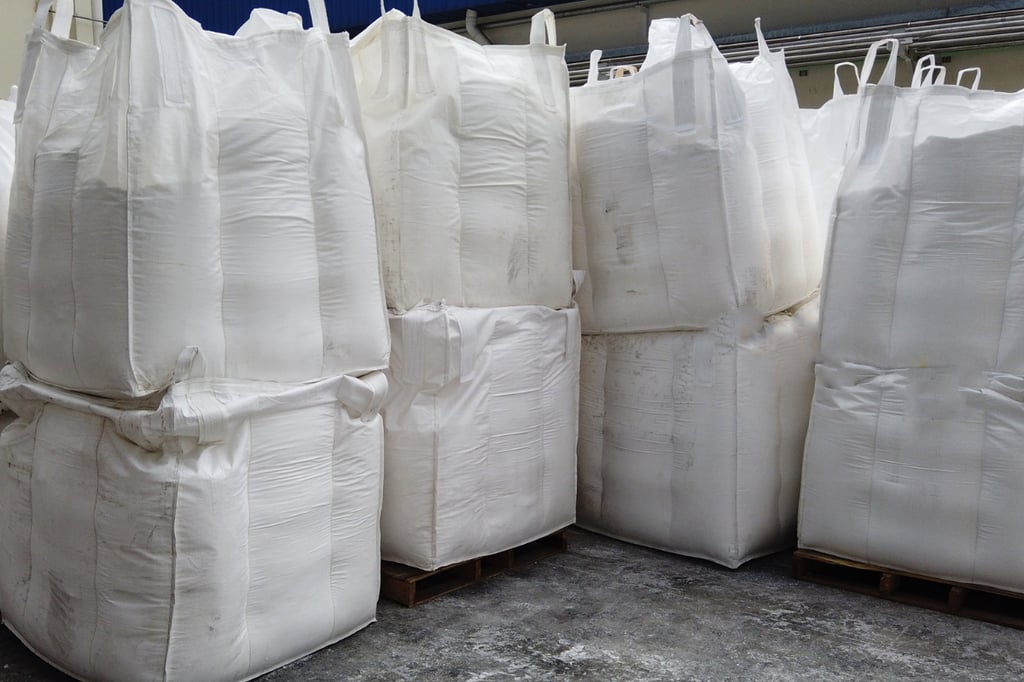
Bulk packaging decisions shape more than just how your product looks on a pallet. They affect labor hours, freight spend, damage rates, and line uptime. For manufacturers handling dry flowable materials, the right packaging choice can reduce handling touches, improve cube utilization, and lower total landed cost.
In this bulk packaging guide, we compare the primary bag and sack options used in industrial bulk packaging: FIBC bulk bags, multiwall paper bags, polyethylene bags, and woven polypropylene bags. These formats are widely used in food, agricultural, mineral, and chemical applications.
Our goal is simple: give you a clear path to choose the right bulk packaging materials based on product behavior, handling reality, and risk exposure—so you can make decisions your operations, EHS, and finance teams will support.
REQUEST A QUOTEQuick Answers - Bulk Product Packaging
Use FIBC bulk bags when you want to reduce handling touches, improve freight efficiency, and move high volumes of dry flowable materials with forklifts or hoists.
Choose baffle FIBCs when you need a square footprint for better cube utilization and more stable stacking.
Use multiwall paper bags when you need smaller pack sizes, clean pallet stacks, and strong performance on valve-filling lines.
Choose polyethylene bags when moisture barrier is the biggest risk—especially for humid environments, long transit times, or hygroscopic products prone to caking or clumping.
Use woven polypropylene bags when you need a tough sack for harsh handling, but don’t need full bulk handling like an FIBC.
If you’re unsure, start by deciding whether you’re optimizing for bulk handling (FIBC) or individual sack handling (paper, poly, or woven). Match packaging to product behavior + handling reality + risk exposure.
Key Takeaways: Bulk Product Packaging
- If you’re trying to reduce handling touches and improve freight efficiency, start with FIBC bulk bags—then refine by footprint (baffles), barrier (liners/coatings), and safety needs (SWL/SF, static type).
- If you need clean pallet stacks and valve filling in smaller pack sizes, multiwall paper bags are often the best operational fit.
- If moisture barrier is your biggest risk (caking/clumping, humidity exposure, long transit), polyethylene bags usually outperform paper without added barrier layers.
- If you need a rugged sack for harsh handling but don’t need a full FIBC, woven polypropylene bags can be a strong middle ground.
- The “best” option is the one that lowers total landed cost: damage/claims, labor touches, pallet utilization, and downtime—not just unit price.
- For safety and compliance, clearly define SWL and Safety Factor (5:1 vs 6:1) and make sure any static control requirements follow recognized industry standards.
Bulk Packaging Options Compared
Use this table as your internal shortlist tool when discussing bulk packaging options with operations and EHS.
| Option | Best fit when… | Typical handling method | Barrier options | Freight & handling impact | Common mistakes | Key spec checkpoints |
|---|---|---|---|---|---|---|
| FIBC bulk bags | You want fewer handling touches, bulk staging, and better freight efficiency for dry flowables. | Forklift (loops) and/or hoist; bulk staging on pallets or slip sheets. | Coated fabric; poly liners (form-fit/loose); dust containment features as needed. | High efficiency: fewer units, fewer pallets, faster loading/unloading when standardized. | Ignoring bulk density; wrong SWL/Safety Factor; poor loop handling; skipping inspection; under-spec’ing moisture control. | SWL & Safety Factor (e.g., 5:1 vs 6:1); dimensions; top/bottom design; lift configuration; baffles; liner/coating; food-grade; Type C/D or UN-rated when required. |
| Multiwall paper bags | You need smaller pack sizes with clean pallet stacks and strong performance on valve filling lines. | Manual or automated bagging; palletized stacks; stretch wrap for stability. | Barrier films/liners; moisture-resistant paper constructions (as specified). | More touches than FIBCs; strong pallet presentation; predictable stackability. | Underestimating humidity exposure; weak pallet stabilization; selecting ply/closure without considering handling stress. | Valve vs open-mouth; ply count; paper grade; barrier layer needs; bag size/weight; pallet pattern; closure method. |
| Polyethylene bags | Moisture barrier is the top priority (humidity, caking/clumping risk, long dwell times). | Manual or automated bagging; palletized; often sealed or closed to protect product. | Intrinsic moisture barrier; thickness + seal type; inner bags/liners depending on process. | Can reduce rejects from moisture damage; may require more stabilization due to slip. | Using thickness as the only spec; overlooking puncture risk and pallet stability; mismatching closure to transport conditions. | Film thickness; closure/seal; bag dimensions; puncture/tear considerations; pallet stabilization method; compatibility with equipment (e.g., FFS). |
| Woven polypropylene bags | You need a tough sack for harsh handling but don’t need bulk handling of an FIBC. | Manual or automated filling; palletized stacks; sometimes with liners for barrier. | Coatings or liners when moisture/dust protection is required. | Durable in rough handling; still more touches than FIBCs; can improve damage rates vs paper in harsh environments. | Assuming woven provides moisture barrier without a liner/coating; selecting construction without considering abrasion points. | Fabric weight/denier; coating; liner requirement; closure method; bag dimensions; seam construction; pallet pattern. |
Option 1 — FIBC Bulk Bags (Where Bulk Handling Wins)
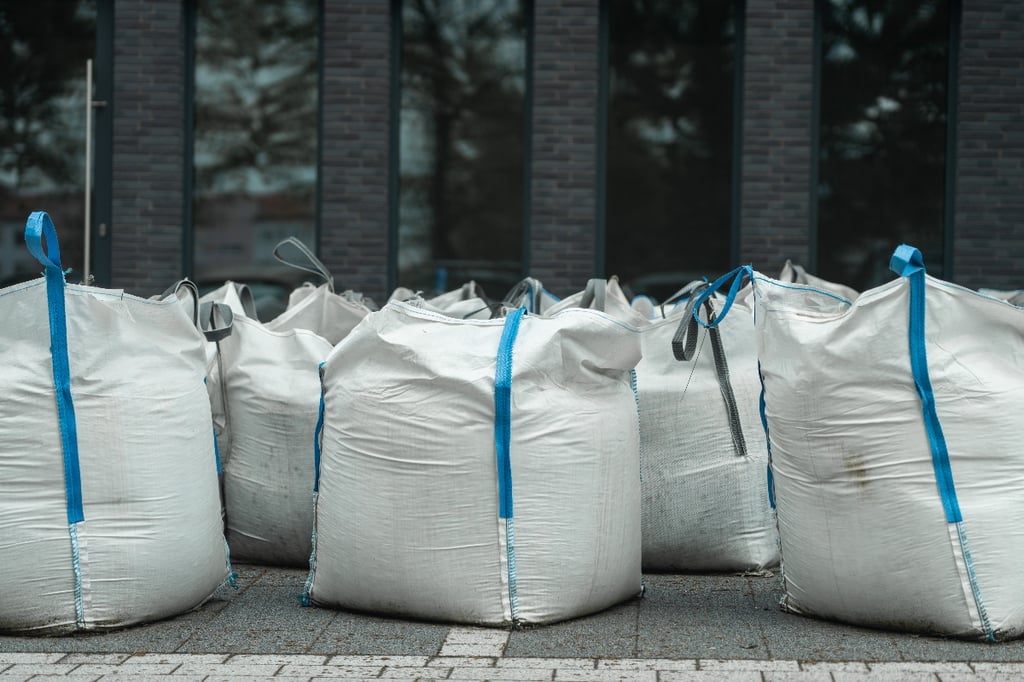
FIBCs are designed for high-volume industrial bulk packaging. They are lifted by forklift or hoist and can hold thousands of pounds of dry product.
Best-Fit Scenarios
- A food ingredient manufacturer shipping 2,000 lb loads of sugar to regional bakeries.
- A mineral processor staging pallets of 3,000 lb product for rail transfer.
- An agricultural supplier exporting bulk seed with limited labor available at the dock.
In each case, reducing handling touches drives savings. Instead of moving 40–50 smaller bags per pallet, your team moves one FIBC.
Common Configurations
- Standard 4-loop FIBC designs
- Baffle bulk bags for square footprint and improved cube utilization
- Food-grade bulk bags for food and other regulated industries
- UN-certified bulk bags for hazardous materials
- Type C or Type D bulk bags when static control is required
SWL & Safety Factor
Confirm the bag’s Safe Working Load (SWL) and Safety Factor (5:1 vs 6:1) based on your actual fill weight, bulk density, and handling method. The SWL is the maximum working weight of the bag, and the Safety Factor reflects the built-in strength margin verified through standardized testing.
As a general rule, 5:1 is used for single-trip applications and 6:1 for multi-trip programs with proper inspection and handling controls.
For a detailed explanation of ratios, testing standards, and multi-trip requirements, see the “SWL & Safety Factor (5:1 vs 6:1)” section below.
If your facility handles combustible dust, select the appropriate static control type (A, B, C, or D) and align specifications with your EHS requirements and recognized industry standards.
Common Mistakes
- Selecting SWL without confirming bulk density.
- Ignoring forklift handling practices. OSHA provides practical guidance on safe load handling for powered industrial trucks, including stability and lifting considerations.
- Skipping liner selection when a moisture barrier is needed.
Option 2 — Multiwall Paper Bags (Where Smaller Packs Make Sense)
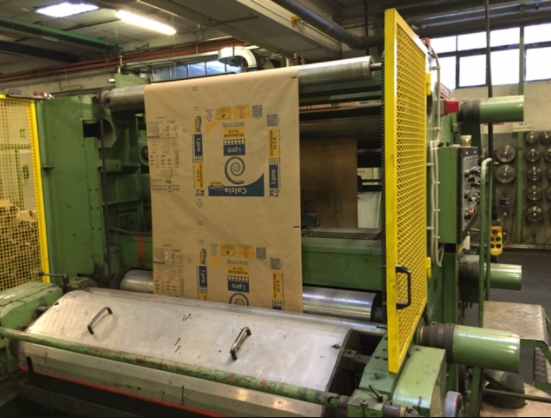
Multiwall paper bags remain a strong solution for 25–50 lb pack sizes, especially on valve-filling lines.
Best-Fit Scenarios
- Cement or mortar packed into 50 lb valve bags.
- Flour packaged for distribution to regional foodservice buyers.
- Animal feed products that require strong pallet presentation.
Paper stacks cleanly and supports tight pallet patterns. It works well in controlled indoor environments.
Moisture Considerations
Paper alone is not a moisture barrier. If your product is hygroscopic or prone to caking, you may need a liner or barrier film layer to protect it from humidity exposure.
Common Mistakes
- Underestimating humidity exposure during dock storage.
- Failing to evaluate pallet stretch wrap and load stability.
Option 3 — Polyethylene Bags (When Barrier Protection Drives the Decision)
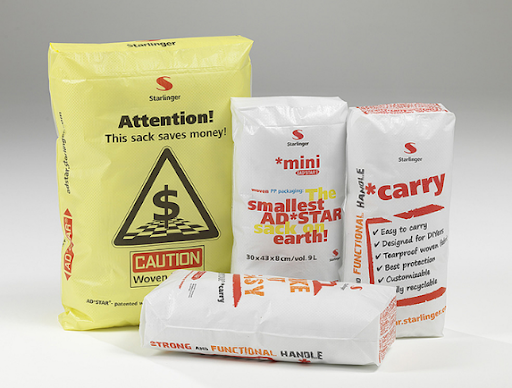
Polyethylene bags provide intrinsic moisture resistance. For moisture-sensitive powders, this can reduce product loss.
Best-Fit Scenarios
- Powdered ingredients stored in humid climates.
- Products with long transit times.
- Materials prone to clumping.
Film thickness, seal type, and puncture resistance matter. Thickness alone does not define performance.
Common Mistakes
- Over-specifying thickness without testing puncture resistance.
- Failing to account for the slick surface of polyethylene bags can cause pallet loads to shift or slide during transport.
To improve load stability, consider adding slip sheets between layers and/or using stretch film to secure the pallet.
Option 4 — Woven Polypropylene Bags (Rugged Sacks for Harsh Handling)
Woven polypropylene bags are stronger than paper and resist tearing in rough handling environments.
Best-Fit Scenarios
- Agricultural products loaded in outdoor environments, such as feed, seed, fertilizer, or grain handled at open-air facilities.
- Abrasive materials that damage paper sacks, such as sand, silica, or certain mineral powders.
If moisture protection is required, add a coating or liner. Woven fabric alone is not a moisture barrier.
Selection Factors That Decide Total Landed Cost
Before finalizing specifications, use this structured checklist to document application details. This format is designed to be shared internally with operations, quality, EHS, and procurement teams.
1. Product Characteristics (Document Measured Values)
Record actual data whenever possible—not assumptions.
-
Bulk Density (lbs/ft³ or kg/m³)
How it’s measured: typically determined by filling a known-volume container and weighing the contents. This value determines correct bag sizing and Safe Working Load alignment.
-
Target Fill Weight (lbs or kg per bag)
Confirm standard fill weight and acceptable tolerance range.
-
Flowability
How it behaves during filling and discharge (free-flowing, cohesive, bridging). Often evaluated through flow testing or observed discharge performance.
-
Dusting Level
Does the product generate airborne dust during filling or discharge? Note if dust containment features or liners may be required.
-
Abrasiveness
Does the material wear down paper, fabric, or seams? Abrasiveness is often identified through handling history or material composition (e.g., sand, silica, mineral powders).
-
Moisture Sensitivity (Hygroscopic?)
Does the material absorb moisture from the air? Document known caking or clumping issues.
-
Segregation Risk
Does the product separate during vibration or transit (common with blended materials)?
2. Environmental Conditions
-
Storage Conditions – Indoor, covered dock, or outdoor staging?
-
Humidity Exposure – Average and peak humidity levels during storage and transit.
-
Temperature Swings – Seasonal or regional changes that could affect product stability.
-
UV Exposure – Will bags sit in direct sunlight during staging?
-
Average Dwell Time – How long product remains in storage before shipment.
3. Handling & Operations
-
Primary Handling Method – Forklift, hoist, conveyor, automated filling system.
-
Stacking Height – Single stack, double stack, warehouse racking, or container loading.
-
Discharge Method – Bottom spout, manual cut, automated discharge station.
-
Operator Training Level – Standardized procedures in place?
-
Automation Compatibility – Valve filling lines, form-fill-seal (FFS), or robotic palletizing.
4. Freight & Load Configuration
-
Pallet Pattern – Standardized pattern documented?
-
Cube Utilization Target – Full truckload, export container, LTL?
-
Load Stability Plan – Stretch wrap, slip sheets, corner boards, or other stabilization methods.
-
Touch Points – Number of handling steps from fill to final destination.
5. Risk Assessment
-
Contamination Prevention Requirements – Food-grade or clean handling standards?
-
Static Sensitivity – Combustible dust or electrostatic discharge concerns?
-
Product Loss Tolerance – Acceptable reject or damage threshold.
-
Claim History – Past freight or handling damage trends.
6. Compliance & Documentation
-
Food-Grade Documentation Required
-
UN Certification Required
-
Labeling & Traceability Requirements
-
Customer-Specific Specifications
-
Annual Volume Forecast – Required for pricing and supply planning.
-
A qualified bulk packaging supplier should review this completed checklist and use it to align specifications with real-world operating conditions, not just theoretical performance.
Common Buyer Mistakes
Selecting by unit price instead of total landed cost. A lower bag price can be offset by higher freight costs, more handling touches, increased damage claims, or downtime caused by failures in the field. Always evaluate labor, freight, pallet utilization, reject rates, and line efficiency—not just unit cost.
Not standardizing specs across plants. When facilities use different bag sizes, SWL ratings, liners, or pallet patterns for the same product, it creates purchasing complexity, inventory risk, and inconsistent performance. Standardizing specifications where possible improves leverage, training consistency, and operational predictability.
Ignoring humidity exposure. Even short periods of dock storage or cross-country transit can introduce moisture that affects hygroscopic materials. Failing to evaluate storage conditions, dwell time, and climate can result in caking, weight gain, or product rejection.
Skipping SWL/SF verification. Using bulk bags without confirming Safe Working Load and Safety Factor documentation can expose your facility to handling risk and compliance issues. Always verify ratings, inspect incoming bags, and align specifications with your actual fill weights and handling method.
Bulk Packaging Specifications Explained
Bulk Density Sizing 101
Bulk density is the weight of material per unit volume. Two products can fill the same-sized bag but weigh very different amounts. If you size packaging based on volume alone, you may exceed the bag’s Safe Working Load (SWL), leading to handling risks or product failure. If you size based on weight alone without confirming volume, the bag may be underfilled, unstable, or inefficient for freight. Always size packaging based on both volume and weight to protect safety, performance, and cube utilization.
SWL & Safety Factor (5:1 vs 6:1)
Safe Working Load (SWL) is the maximum weight a bulk bag is designed to safely carry under normal handling conditions.
Safety Factor (SF) is a test ratio. It shows how much weight the bag was able to withstand during standardized testing compared to its rated SWL.
For example:
- A bag rated for 2,000 lbs SWL with a 5:1 Safety Factor has been tested to hold 10,000 lbs under controlled test conditions.
- A bag rated for 2,000 lbs SWL with a 6:1 Safety Factor has been tested to hold 12,000 lbs under controlled test conditions.
These ratios do not mean you can load the bag beyond its SWL. The SWL is the maximum working weight. The Safety Factor reflects the strength margin built into the design.
In general:
- 5:1 Safety Factor is intended for single-trip use. The bag is filled, handled, and discharged once.
- 6:1 Safety Factor is designed for multi-trip use, provided the bag is inspected and handled properly between uses.
Multi-trip programs require documented inspection procedures, controlled handling practices, and alignment with your facility’s safety policies.
Always confirm SWL and Safety Factor in your specifications and RFQ documents. This ensures alignment with your handling method, product weight, and compliance requirements.
Terminology Mini-Glossary
Baffle – Internal panel sewn into a bulk bag to create a square footprint and improve cube utilization.
Bulk Bag – A common term for an FIBC (Flexible Intermediate Bulk Container), typically used to describe large industrial bags designed to hold and transport dry flowable materials.
Bulk Density – The weight of material per unit of volume, used to size packaging correctly.
Coated Fabric – Woven polypropylene fabric with an added coating to reduce moisture or dust transmission.
Cube Utilization – How efficiently space is used in a truck, container, or warehouse.
Form-Fill-Seal (FFS) – Automated process that forms the bag, fills it, and seals it in one continuous operation.
FIBC – Flexible Intermediate Bulk Container
Grounding – Connecting a conductive bulk bag (Type C) to earth ground during filling or discharge to prevent static buildup.
Hazardous Materials (HazMat) – Substances regulated for transportation due to risks such as flammability, toxicity, or reactivity.
Hygroscopic – A material that absorbs moisture from the air, which can lead to caking, clumping, weight gain, or changes in flow characteristics if not properly protected.
Lift Loops – Reinforced fabric loops used for forklift or hoist handling.
Liner – Internal moisture or contamination barrier placed inside a bag.
Open-Mouth Bag – Bag with a top opening that is closed after filling (sewn, heat sealed, or folded).
Pallet Pattern – The arrangement of bags on a pallet to improve load stability and freight efficiency.
SWL – Safe Working Load: the maximum weight a bag is designed to safely carry under normal handling conditions without risking structural failure.
SF – Safety Factor (5:1 vs 6:1) – The strength ratio between a bag’s tested load and its rated working load.
Static Dissipative – Material designed to safely disperse electrostatic charges to reduce spark risk.
Type A FIBC – Standard bulk bag with no static protection; not suitable for flammable products or combustible dust environments.
Type B FIBC – Similar to Type A but made from fabric with low breakdown voltage to reduce energetic brush discharges; not designed to be grounded.
Type C FIBC – Conductive bulk bag that must be electrically grounded during filling and discharge to safely dissipate static electricity.
Type D FIBC – Static dissipative bulk bag designed to safely dissipate static electricity without requiring grounding.
UN Certified Packaging – Packaging tested and certified to meet United Nations performance standards for transporting hazardous materials.
UN Rating – Marking that identifies the type of packaging, performance level, and material compatibility for hazardous goods transport.
Valve Bag – Self-closing fill spout design commonly used on automated filling lines.
Partner With Southern Packaging
Southern Packaging supports manufacturers across the U.S. and Canada with reliable access to FIBCs, paper bags, poly bags, and woven polypropylene sacks. We operate with a warehouse in Venus, TX, and offer managed inventory programs designed for operational stability.
We help procurement and plant managers align packaging specs with real-world handling and compliance needs.
FAQs
How do I choose between FIBC bulk bags and smaller sacks?
Start with the handling method. If forklifts move product in bulk, FIBCs reduce touches. If manual or automated bagging into smaller units is required, paper or poly sacks may fit better.
What’s the difference between a 5:1 and 6:1 safety factor?
5:1 is typically intended for single-trip use, meaning the bag is filled, handled, and discharged once. 6:1 supports multi-trip use, provided the bags are properly inspected between uses and handled under controlled conditions according to facility safety procedures.
When should I use baffle bulk bags?
When cube utilization and pallet stability matter for freight efficiency, especially in full truckload or export shipments, where maximizing space and reducing load shifts directly impacts freight cost per unit.
Do I need liners for moisture-sensitive powders?
Often yes. If your product is moisture-sensitive or hygroscopic, evaluate humidity exposure during storage, dock staging, and transit time to determine whether a liner or additional barrier layer is required. Even short periods in high-humidity environments can lead to caking, clumping, weight gain, or reduced flowability, which can affect both product quality and downstream processing.
When are Type C or Type D bulk bags required?
Type C or Type D bulk bags are required when static control is needed in combustible dust environments where electrostatic discharge could create an ignition risk. Selection should be based on your facility’s dust hazard analysis and aligned with EHS policies and recognized industry guidance.
What information should be in an RFQ?
Product bulk density, target fill weight, storage and transit environment, handling method (forklift, hoist, automated filling, etc.), regulatory or customer-specific requirements, and estimated annual volume. Providing this level of detail allows your bulk packaging supplier to recommend the correct specifications, pricing structure, and supply program.
REQUEST A QUOTE