

.svg)


Multi-Wall Paper Valve Bags
Our multi-wall paper valve bags are a proven packaging solution for manufacturers handling dry flowable products that require clean, efficient, and high-speed filling.
Built using sustainably sourced paper plies and optional barrier films, each valve sack is engineered for durability, consistent performance, and reliable palletization in demanding industrial environments.
Through precise construction and rigorous quality control, our valve bags support efficient filling processes while delivering long-term value across production, storage, and transportation.



PVSE Valve Bags: Built for Speed, Accuracy, and Durability
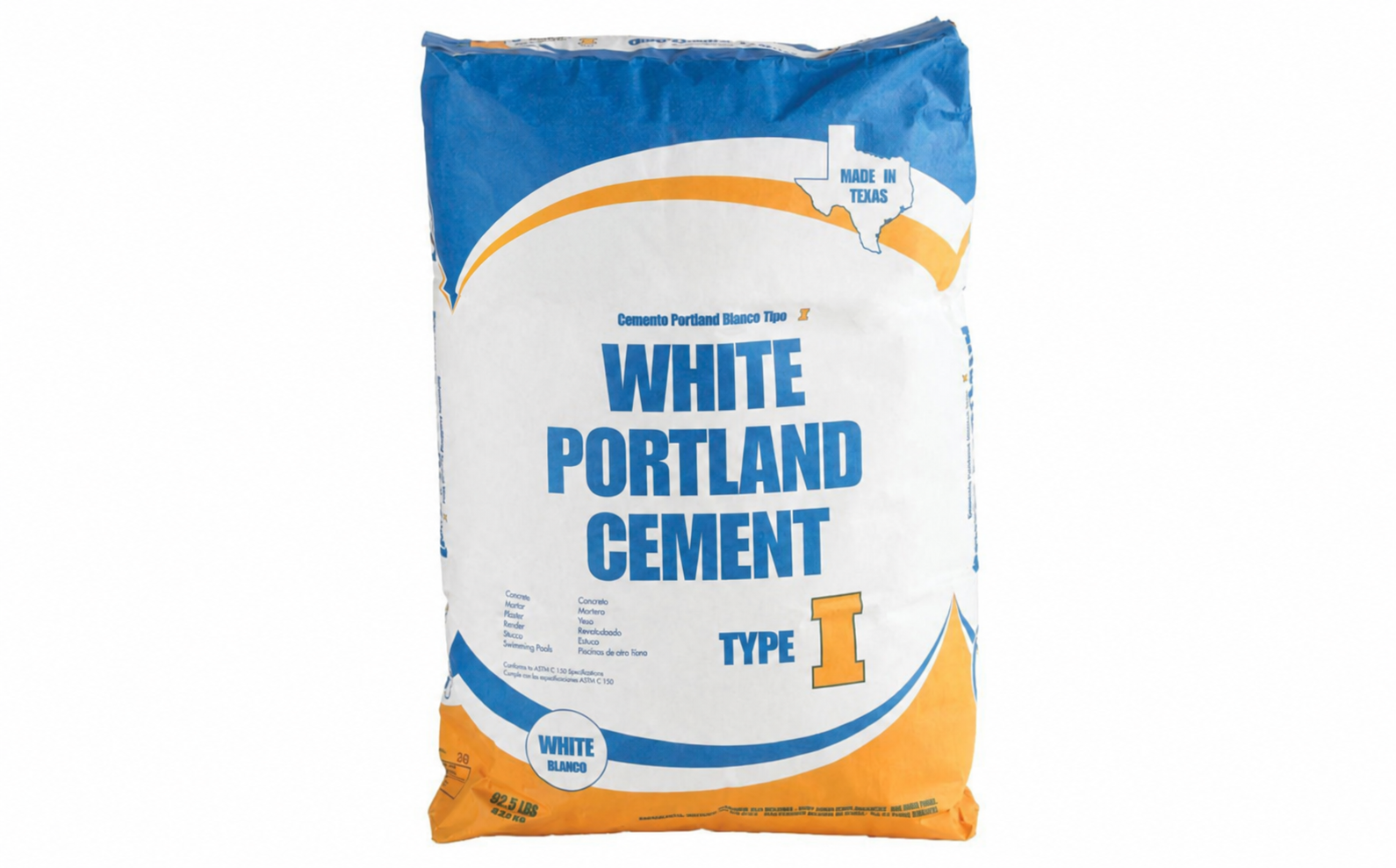
A Pasted Valve Stepped End (PVSE) multi-wall paper bag is one of the most widely used valve sack styles in industrial packaging.
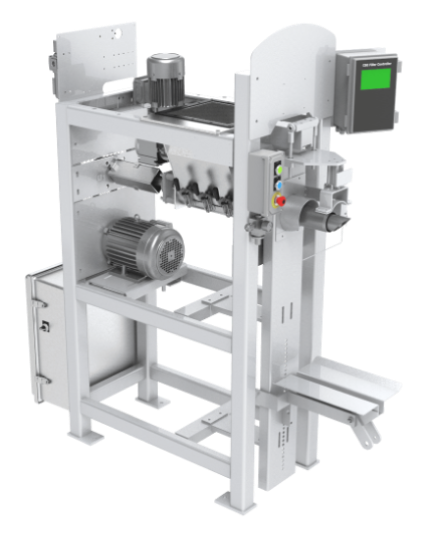
Designed for automated, high-speed filling equipment, product enters the bag through a horizontal filling spout using air, impeller, or auger systems.
Once the bag is released from the filling spout, internal product pressure causes the valve to self-seal, eliminating additional closing steps and improving line efficiency.
This construction creates a clean, squared-up package that:
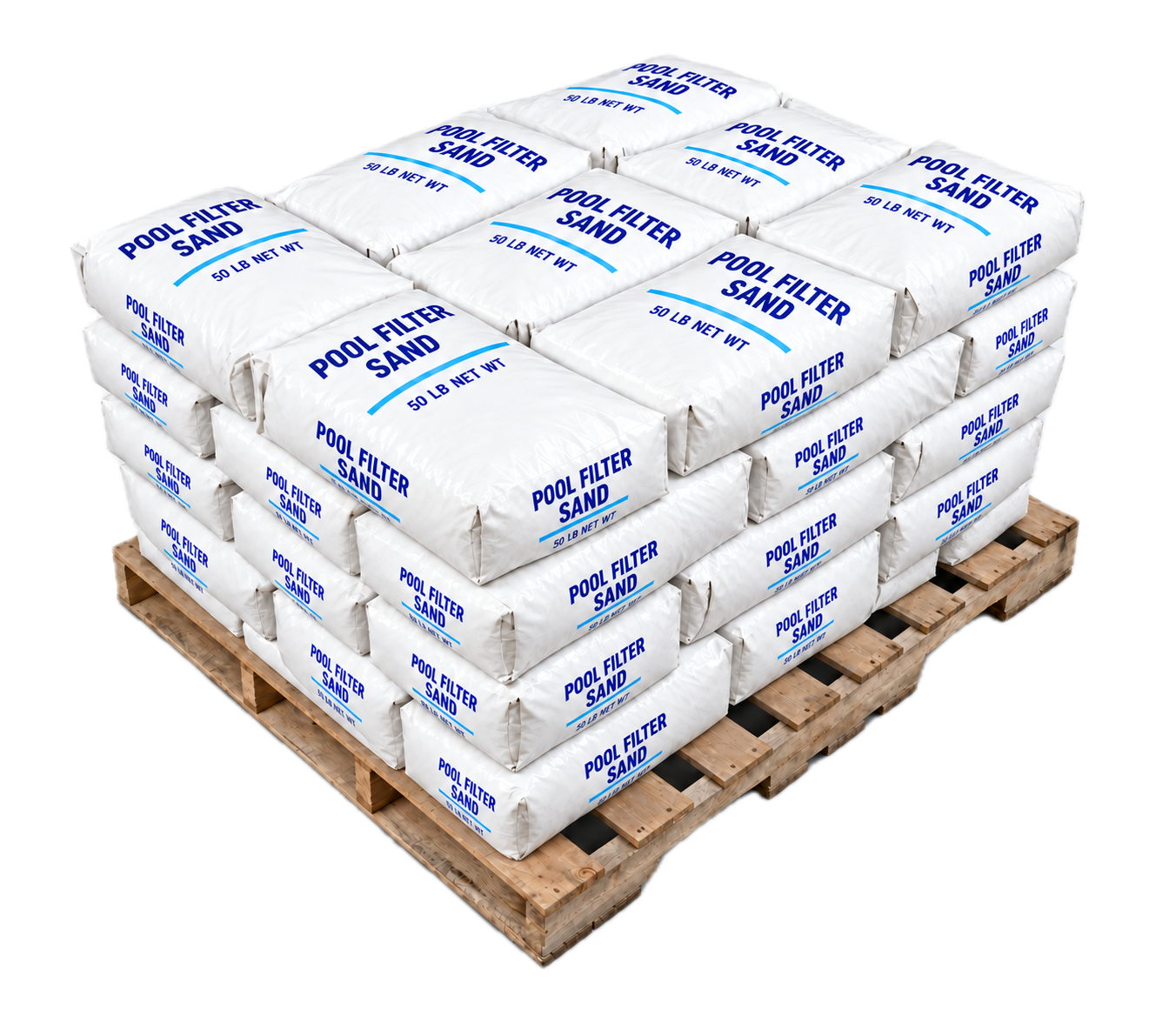
- Palletizes securely
- Maintains consistent shape
- Allows printing on side or end panels for easy identification in pallet loads
Valve Types
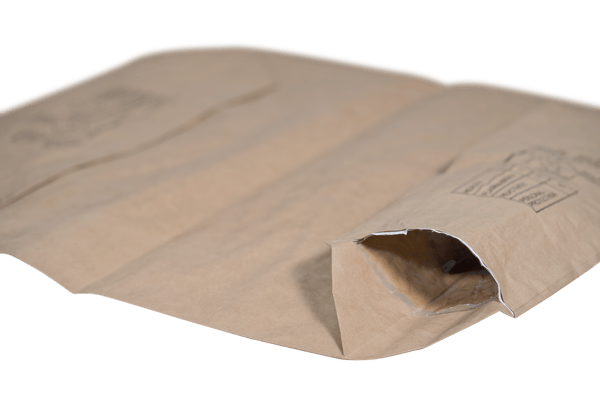
Valve bags are filled through an opening located in the top corner of the bag. Product is pumped or forced into the bag via air pressure, impeller, or auger. When the bag is expelled from the filling equipment, the internal forces exerted by the contents prompt the opening of the valve bag to self-seal. This self-sealing design enables secure containment and streamlined handling from fill to final delivery.
Bags with valves can be equipped with different valve or “sleeve“ types. Each sleeve type performs the same basic function. However, the proper sleeve type for your product and packing equipment needs to be evaluated when designing a valve bag. Our valve type capabilities include:
- Double Trap
- Reinforcing Strip
- Paper Tube Insert
- Reinforced Poly Lock
- Tuck-In
- Hinged Tuck-In
- Sonic/Heat Seal
- Double Trap Sonic Seal
- Reduced Sleeve
Poly Lock
.png?width=601&height=400&name=SP_Sonic%20Seal%20(1).png)
Sonic Seal
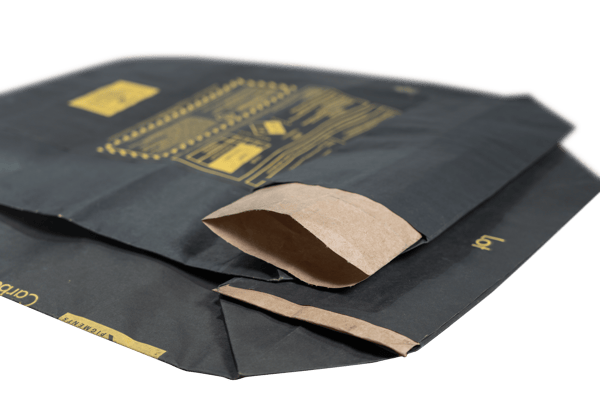
Tuck In
PVSE Valve Bags for Food & Ingredient Packaging
Food and ingredient processors rely on multi-wall paper valve bags to package fine, dry flowable products on high-speed filling lines. The self-sealing valve closes under product pressure once the bag leaves the filling spout, containing fine powders without a separate closing step. This keeps lines moving and reduces product loss. For manufacturers in the food packaging industry, PVSE bags offer a clean, square, stackable package that holds its shape from filling line to warehouse.
Common Food Ingredient Applications
- Flour and milled grain products (paper flour bags)
- Granulated and powdered sugar
- Corn starch and other food starches
- Powdered ingredient blends and mixes
Moisture Barrier Options for Food Ingredients
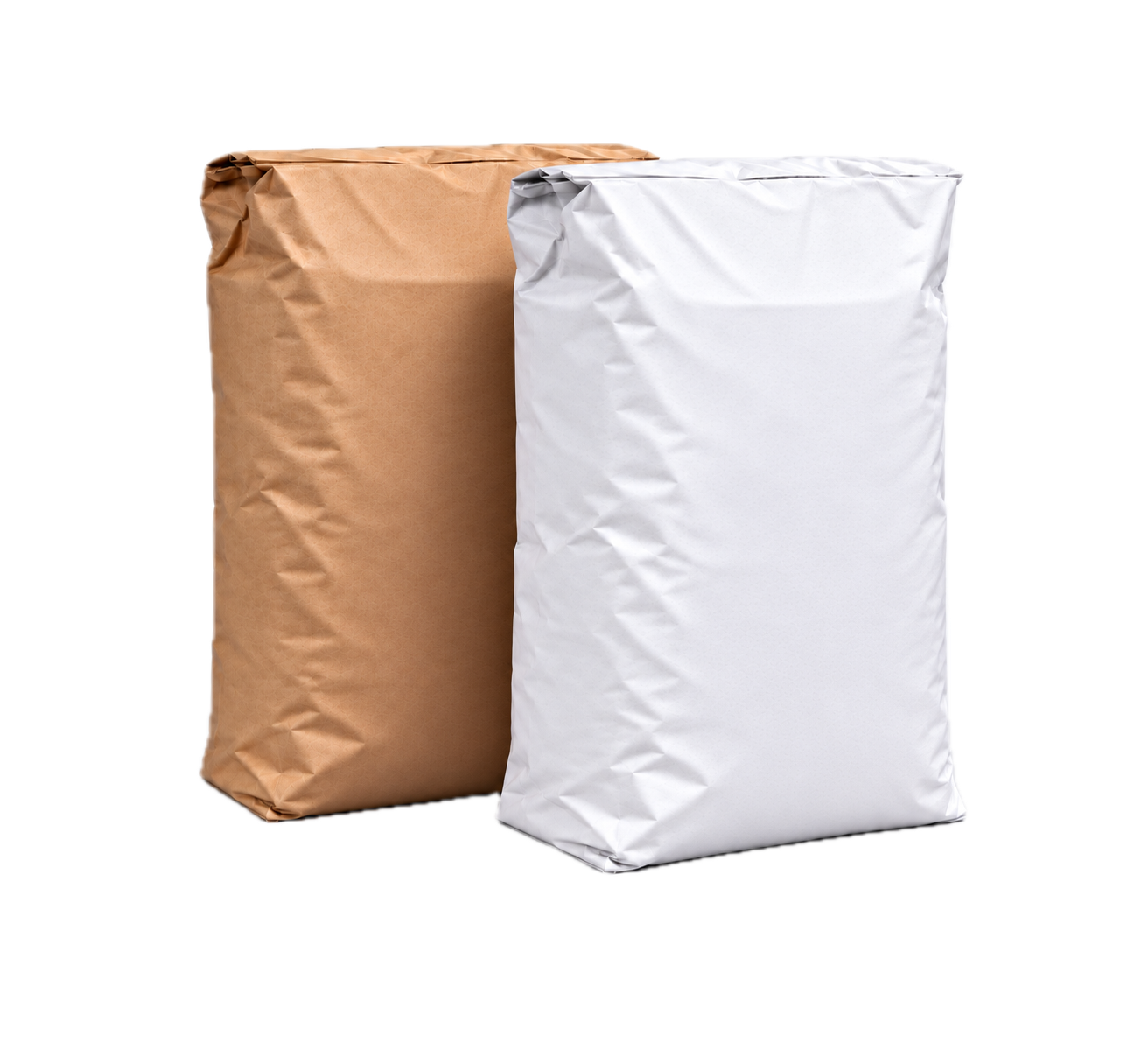
Hygroscopic ingredients like sugar and flour absorb moisture quickly, leading to caking, clumping, and a shorter shelf life. Barrier selection should match the ingredient's moisture sensitivity and the conditions it will face in storage and transit. The first option is PE laminated to the inner ply; the second option is a coated sheet; a third is PE film with free film between the paper plies. Perforated paper speeds air evacuation during high-speed filling, so specify the perforation pattern and barrier ply together for moisture-sensitive ingredients.
Choosing 2-Ply vs. 3-Ply Paper Bags for Food Ingredients
Base ply count on fill weight, filling method, and handling conditions rather than habit.
- 2-ply construction uses high-performance extensible paper. It gets its strength from energy absorption rather than basis weight, which reduces paper usage and bag cost.
- 3-ply construction remains an option where a filling line or application calls for it. Traditional kraft paper gets its strength from heavier basis weight, and extensible paper can be included for added performance.
Either construction can be paired with a barrier ply when ingredient protection requires it
Food Safety Certifications
Southern Packaging supplies paper packaging backed by AIB International, FSSC 22000, and SQF certification. These certifications assure customers that bags are produced using proper, food-safe practices and provide food and ingredient manufacturers with documentation to support a food packaging safety audit.
Custom Multi-Wall Paper Packaging Solutions
Every filling line and product behaves differently. We offer fully customized valve bag packaging solutions engineered around your material characteristics, filling equipment, and logistics requirements.
Available bag styles include:
- PVSE
- SOM
- PBOM
- Webb PBOM
- SOS
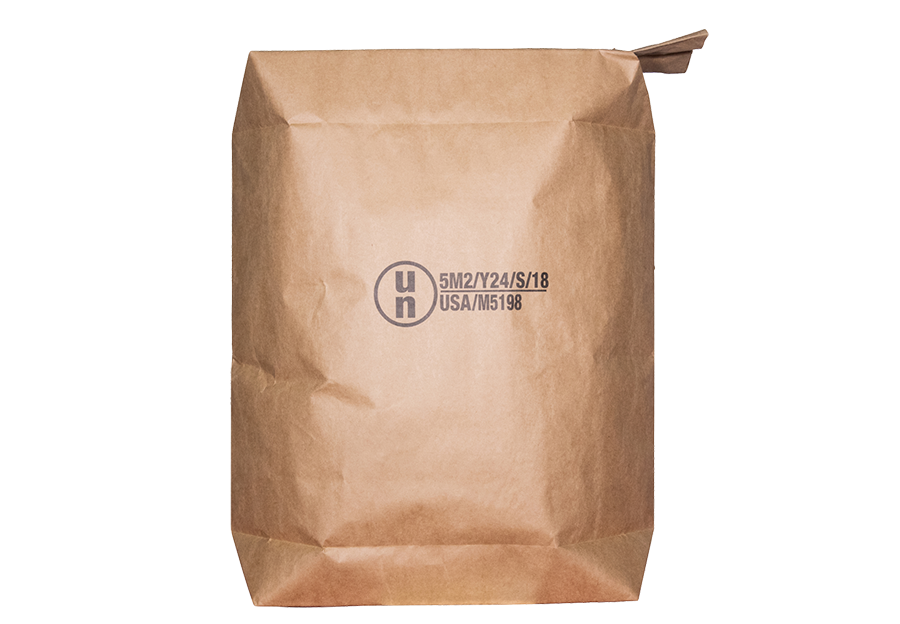
- UN Certified
- AIB
Minimum order quantities and artwork charges may apply. Lead times typically range from 4–16 weeks depending on bag construction and printing requirements.
-1.png?width=160&height=160&name=Rectangle%2010%20(1)-1.png)
.png?width=160&height=160&name=Rectangle%2014%20(1).png)